Hiriketiya Beach
Complete travel guide · distances from Hiriketiya, things to do, and how to get there.
Overview
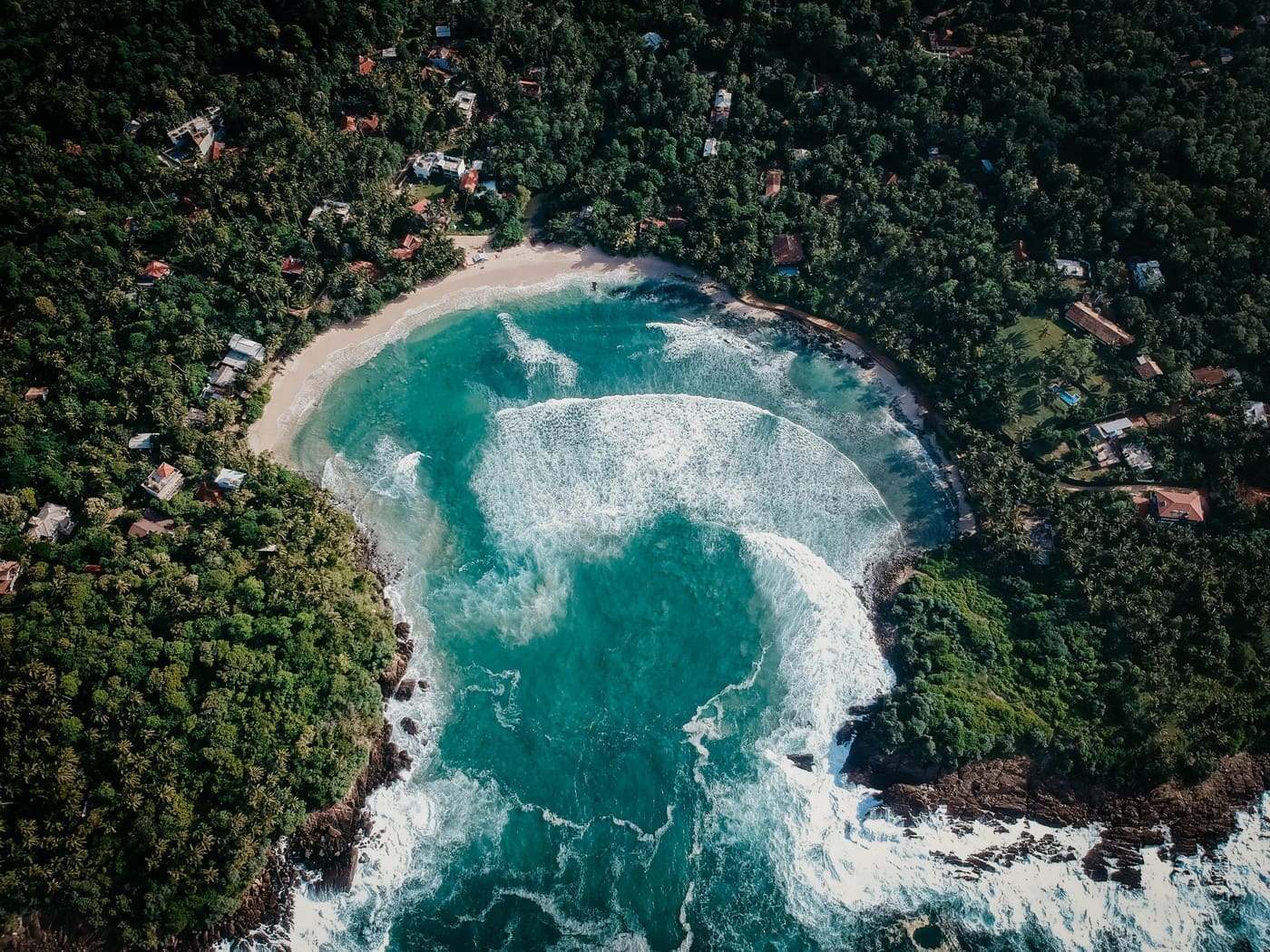
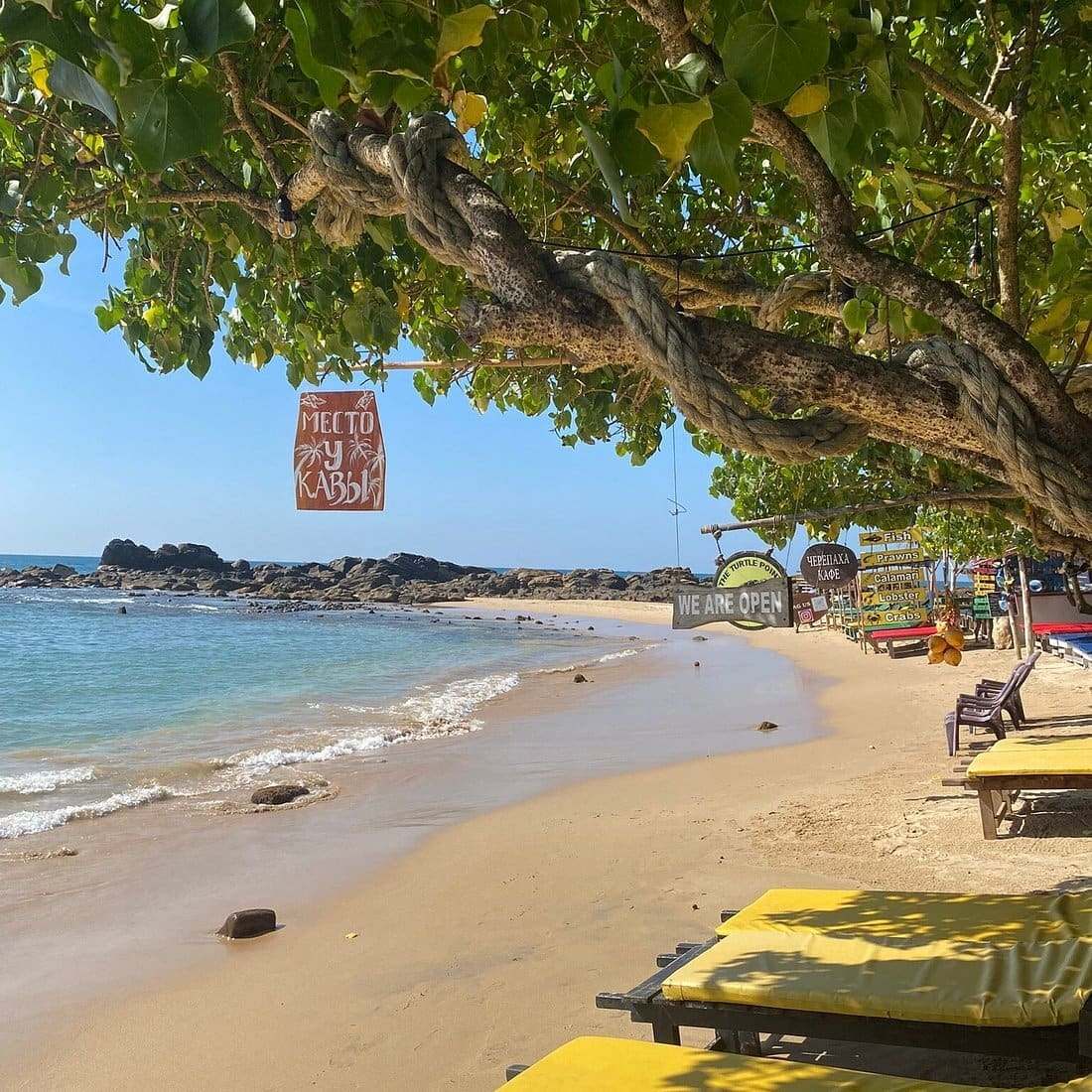
Hiriketiya Beach — nicknamed “Hiri” — is a crescent horseshoe bay on Sri Lanka’s south coast, backed by jungle and known for year-round surf, beach cafés, and a laid-back crowd of surfers, remote workers, and yogis.
Once a quiet corner of the coast, Hiriketiya has grown into one of the south’s most talked-about bases while staying compact and walkable. Lush green hills frame turquoise water; inside the bay you’ll often find two different moods on the same day — mellow sand-break rollers on one side and a faster reef line on the other. The village mixes trendy cafés with simple local kitchens, yoga shalas, and a social evening scene that peaks on weekends. Use the sections below for surf breakdowns, where to eat and go out, seasons, and practical arrival tips from Matara.
Surfing & activities
Travellers often compare the Hiriketiya reef break vs beach break: the west side is usually a mellower sand-bottom beach break for learners, while the eastern point is a faster, more hollow left over reef when the swell lines up. Both can exist in the same bay on the same day — pick the zone that matches your level.
- 1
For beginners: the western side usually offers a mellower beach break over sand — ideal for first pop-ups, soft boards, and coached sessions (searching “beginner surf lessons Hiriketiya” usually points you here).
- 2
For intermediates and experts: the eastern point can deliver a faster left-hand reef break; on the right swell, rides can run long — study the take-off zone, tides, and crowd before paddling out.
- 3
Best time to surf Hiriketiya: November–April tends to bring the cleanest, most consistent trade-wind windows; May–September is quieter but windier/wilder on bigger southerly pulses — check forecasts daily.
- 4
Surfboard rental Hiriketiya: dozens of shacks rent foamies and shortboards — compare prices (see typical ranges below) and inspect leashes or fins before you pay.
- 5
Yoga & “laptop hours”: Salt House, Dots Bay House, and other guesthouses run drop-in flows — message/WhatsApp for this week’s Salt House yoga schedule; cafés with strong Wi‑Fi fill fast in peak season so arrive early for a table.
- 6
Try a hands-on Sri Lankan cooking class at spots such as Rosie’s Kitchen (book ahead).
- 7
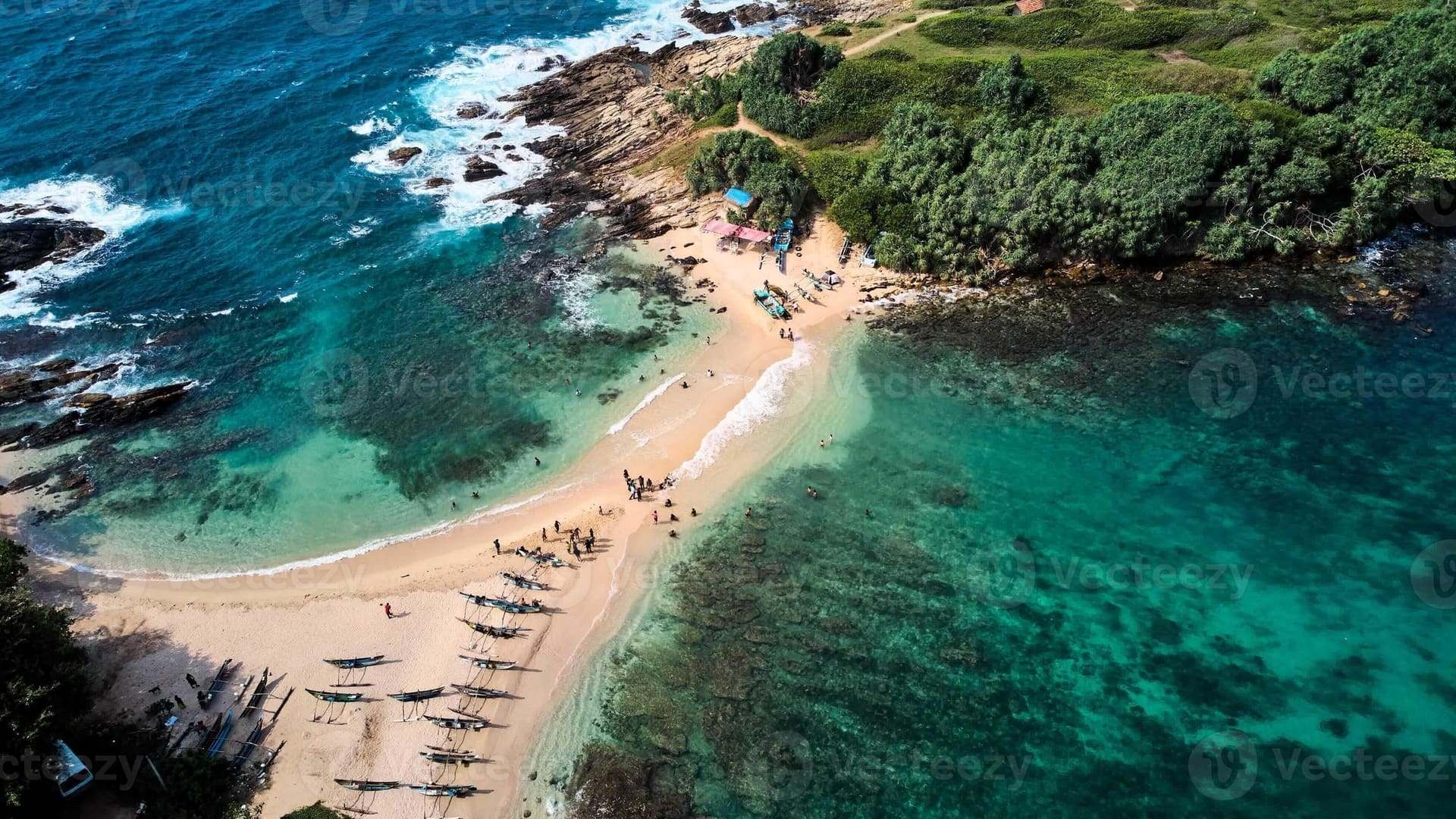
Day-trip “secret” energy: walk or tuk to Blue Beach Island at low tide or pair with Wewurukannala Temple — both answer “what else near Hiri?” searches.
Eating & nightlife
Food searches cluster around rice-and-curry classics, smoothie bowls, and photogenic sunset decks. Smoke & Bitters reservations are smart from December–March — DM or book early on busy weekends.
- 1
Smoke & Bitters: world-class cocktails and smoked plates above Dickwella Beach — Insta-worthy light and a premium rum list; reserve when possible.
- 2
Best rice and curry Hiriketiya & Dickwella: Lemon Grass Cafe and Kingsley’s Kitchen stay crowd favourites for spicy, affordable plates.
- 3
Smoothie bowls & brunch: almost every colourful café does açaí-style bowls; expect higher prices than inland towns but generous portions.
- 4
Nightlife & Dots Bay House parties: live bands, DJ sets, and packed Saturday sessions — follow their socials for door times and cover changes.
Typical costs in Hiriketiya (2025 — verify locally)
Sri Lankan prices shift fast with inflation and season. Treat these as planning bands from recent traveller reports — always confirm with two vendors before you commit.
Surfboard rental: soft tops often run about LKR 700–1,500 per hour or LKR 2,000–4,500 per day in peak weeks; hour blocks sometimes discount after 3+ hours.
Beginner surf lessons Hiriketiya: group intros commonly range LKR 4,000–9,000 per person for a half-day including board — private coaching costs more.
Tuk-tuk Matara ⇄ Hiriketiya: one-way fares frequently land LKR 1,800–3,800 depending on fuel surges; agree LKR total before the ride.
Meals: simple rice-and-curry lunch LKR 900–2,200; smoothie bowl or brunch plate LKR 2,000–4,500; cocktail night LKR 1,400–3,000 per drink at premium bars.
Location
Hiriketiya Beach, Dickwella, Sri Lanka
Open in Google Maps →Location & distance
- Exact location
- Hiriketiya Beach, Dickwella, Sri Lanka
- Distance
- 0 km
- Travel time
- 0 minutes
At a glance — things to do
- ✓🏄 Surf both faces of the bay — from sandy learner walls to the reef left on the point
- ✓🧘 Yoga, cafés & wellness — studios and drop-in classes around the village
- ✓🍛 Cooking classes & local curry — book spots like Rosie’s Kitchen in advance
- ✓🏝️ Explore beyond the bay — walk or day-trip toward Blue Beach Island / Dickwella
- ✓🎵 Evenings out — live music, social hostels, and weekend dance floors
When to visit
Peak Nov–Apr · Shoulder Oct–Nov & Apr–May · Monsoon May–Sept
- Peak season (Nov–Apr): sunniest skies and the most consistent, cleaner swells — expect busier line-ups, full cafés, and higher rates; reserve stays early.
- Shoulder months (Oct–Nov & Apr–May): fewer travellers with still-decent weather and surf windows — a sweet spot if you want breathing room.
- Monsoon (May–Sept): heavier rain and rougher seas; beginners may skip the biggest days, but crowds thin and deals improve — always check daily forecasts.
Practical tips
- Getting there: most people train or bus to Matara, then continue roughly 30–45 minutes by tuk-tuk or local bus into Dickwella / Hiriketiya (traffic dependent).
- Crowds in the water: aim for dawn patrol around 6–8 AM or surf when others break for lunch to dodge the busiest peaks.
- Beach space: Hiri’s sand is cosy and fills with sunbeds in season; walk about 15 minutes to long Dickwella Beach for wide-open towel space.
- Carry rupee cash for small kitchens and drivers, keep reef booties if you’re testing the point, and download offline maps — the lanes are tight.
Nearby Places
How to Get There
Tuk tuk
- From Matara: budget roughly 30–45 minutes in a tuk-tuk to Dickwella / Hiriketiya depending on traffic.
- From Dickwella town: a short hop to the bay — agree the fare before you set off or use a ride-hailing app when available.
- Ask to be dropped at the main beach footpaths; walk the final stretch if vehicles are queued.
Scooter
- Ideal for bouncing between Hiriketiya, Dickwella, and Nilwella — wear a helmet and watch for sand on sharp corners.
- Park where signs allow and avoid blocking narrow guesthouse lanes.
Car
- Private cars and transfers work well with luggage — confirm parking ahead during peak weekends.
- Expect slow last-mile lanes; consider dropping bags then walking into the strip.
Walking
- Staying in the bay? Sunrise surfs, sunset strolls, and café runs are easiest on foot.
- Pack a dry bag if you’re carrying tech near splashy shorebreak.
Safety Tips
- Swim and surf within your ability — chat with locals or coaches if you’re unsure about tides or sweep.
- Give reef line-ups respect: watch a full set, know your entry and exit, and protect your head if you fall.
- Hydrate past midday; UV is strong even on overcast monsoon days.
Photo gallery
Tap any photo to view it larger.
FAQs — People also ask
Is Hiriketiya Beach too crowded now?
December–April is busy: full line-ups, packed cafés, and sunbeds claiming sand. Beat the rush with dawn patrol (6–8 AM), surf at lunch, or visit in October–November / late April–May for thinner crowds. Dickwella Beach, ~15 minutes on foot, spreads sun-seekers across a longer strip.
What is the difference between the Hiriketiya reef break and the beach break?
The western beach-break zone is usually sand-bottom, slower, and friendlier for learners on foam boards. The eastern reef break is a faster, hollower left that peels over coral — better for confident intermediates who understand tide, entry rocks, and queue etiquette. Never paddle the reef on a whim without watching a few sets.
Can beginners surf at Hiriketiya Beach?
Yes — stay on the mellower western sand section, book a lesson, and use a soft top until you can read sets on your own. Save the reef left for after you’ve mastered trimming, duck-diving, and falling safely.
What is the best month to visit Hiriketiya for surfing?
January–March historically serves the cleanest trade-wind windows; November and April can still pump with bigger swells but bumpier afternoons. May–September is off-season: fewer people, heavier onshore winds on some weeks, yet fun pulses still arrive for experienced surfers.
How do I get from Colombo to Hiriketiya by train?
Board a southbound train toward Matara (first-class observation or second-class reserved seats sell out — buy early). Ride to Matara (roughly 4–5+ hours depending on service), exit the station, then take a local bus or tuk-tuk ~30–45 minutes to Dickwella/Hiriketiya. Overnight buses exist but Matara rail + tuk is the backpacker classic.
Are there ATMs at Hiriketiya Beach?
The village has limited machines and they occasionally run empty on party weekends. Dickwella town offers more reliable ATMs (Commercial Bank, Sampath, etc.) a short tuk ride away. Carry LKR cash for small kitchens, surf shacks, and drivers — card works mainly at bigger hotels and polished cafés.
Hiriketiya vs Weligama — which is better for beginners?
Weligama Bay is a long, predictable sand-bottom learner factory with many schools; Hiriketiya squeezes two personalities into one horseshoe — mellow learners’ walls plus a punchy reef. Choose Weligama for pure mileage on easy rollers; choose Hiri if you want jungle scenery, café culture, and progression toward reef riding with coaching.
Can you swim in the bay?
Often yes on calmer days inside the horseshoe, but conditions swing with swell and season. Reassess rips, watch local kids for cues, and skip swimming after heavy rain when runoff stains the water.
Where should I stay — guesthouse, boutique hotel, or villa?
Options span hostels, surf camps, boutique hotels, and hillside villas. Beachfront = louder nights but zero commute to dawn surf; lanes uphill sleep quieter. Lock November–April dates months ahead if you want A/C and hot water at peak.
Should I book a surf school or camp?
Lessons accelerate pop-ups, ocean safety, and reef awareness. Compare Google reviews, Instagram tags, and coach-to-student ratios; Kima-style camps and independent coaches both operate — book your first two sessions online during festivals.
Do I need to book surfing in advance?
Drop-in rentals exist, yet premium boards and instructors disappear on holiday weeks. WhatsApp your guesthouse or school 48 hours before you land.
What is the best time to visit Hiriketiya Beach overall?
Dry-season visitors (Nov–Apr) chase sun and dependable swell yet pay peak prices. Wet-season travellers (May–Sep) gamble on weather but enjoy quieter cafés and occasional epic empty sessions — pack a rain shell.
Explore other places
More spots near Hiriketiya worth adding to your itinerary.
On YouTube
Curated vlogs and tips play directly on this page. Prefer the YouTube app? Use “Watch on YouTube” in each player’s menu.